Inside MindIn
A feelings journal that shows the brain science behind each entry.
Write a few words about the day. MindIn suggests the emotion underneath, shows the brain regions research links to it, and keeps a gentle record of how feelings shift across the week.
Free web beta. No download needed.
Confirmed feeling
Sad
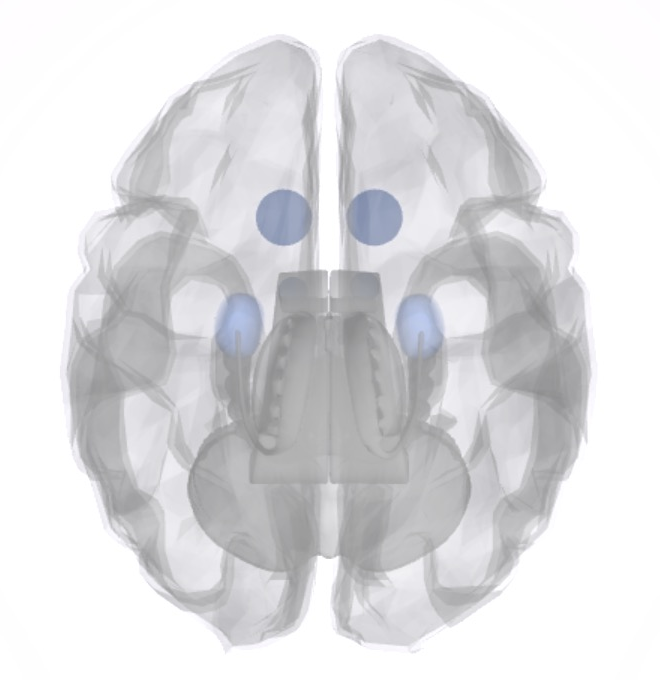
Regions linked to sadness, shown in blue. Tap any region to learn more.
Entry
The plans I've been looking forward to all week fell through at the last minute. I know it's a small thing, but it left me feeling really sad.
Confirmed with a tap
-
8
emotions, each mapped to regions named in published research
-
1 tap
to confirm or change the suggested feeling
-
7 days
of history at a glance, with every past entry a tap away
01 · Write and name
Plain words in.
A named feeling out.
No mood wheels or sliders. A sentence about the day is enough. MindIn reads the entry, suggests the closest emotions, and waits for your confirmation before anything is saved.
That confirmation lets you check what feels true to you. Putting a feeling into words, known as affect labelling, is linked in research to reduced activity in the brain's alarm centre.
Lieberman et al. (2007), Psychological Science
02 · See the brain science
Every feeling connects across the brain. MindIn shows key regions involved.
A confirmed entry opens a 3D brain with selected regions linked to that emotion. Each region is supported by published neuroscience research.
Tap a region for a short explanation in everyday language.
-
Sad
That heavy feeling after a loss or disappointment. The subgenual anterior cingulate cortex, deep in the front of the brain, tends to become more active during sadness. It links areas involved in emotion and memory, which may help explain why sadness can colour so much of how we feel.
-
Surprise
That jolt when something comes out of nowhere. The hippocampus, known for its role in memory, helps compare what is happening with what was expected. A mismatch grabs attention, so the brain can update what it knows.
03 · Notice patterns
A week of feelings, laid out gently.
The history board shows the last seven days at a glance. Tap any day to see the entries behind it, or scroll back through older ones.
When a difficult feeling keeps returning, MindIn helps you notice the pattern and offers a gentle suggestion. This is a space to be with your emotions, whatever they are. No streaks, no scores.
Feelings this week
11 entries
- 1Angry
- 0Surprise
- 2Happy
- 1Fear / Anxious
- 1Disgust
- 3Sad
- 1Calm
- 2Stressed
Sad came up most often this week.
Voices from the community
What people are discovering
-
“I don’t have to think before I write. It’s relaxing, and it’s been easy to keep up as a habit. When something’s on my mind, I know where to put it, so it doesn’t take up space in my head.”
Medical student, MindIn pilot tester -
“MindIn teaches me to appreciate every emotion rather than suppress my feelings. It helps me find the words for how I’m feeling, and I feel seen and understood. Now I look forward to my daily check-in. It feels like a conversation with myself.”
Researcher, MindIn pilot tester -
“The way MindIn connects emotions to neuroscience is unlike anything I’ve seen, and it’s just the right amount of science for me.”
Software engineer, MindIn pilot tester
Common questions
More detail on the Legal & Safety page, or get in touch at contactys@mindin.co.uk.
How does MindIn suggest an emotion?
The entry is read by an AI language model, which suggests the closest emotions. The suggestions are only a starting point, and nothing is saved until you confirm or change them.
What if the suggestions don’t feel right?
You can add more detail to your entry, or tap Retry for new suggestions. Nothing is saved until you confirm, and you know your feelings best.
We're still adding to MindIn's range of emotions, so the one you're looking for may not be here yet. Tell us what's missing at contactys@mindin.co.uk.
When is the iPhone app coming?
We’re actively building the iPhone app. Join our waiting list to be the first to hear when it lands on the App Store!
Is this therapy or a medical app?
No. MindIn is for noticing and learning about feelings. It is not a medical device and offers no diagnosis or treatment. For ongoing concerns, a GP is the best first step.